
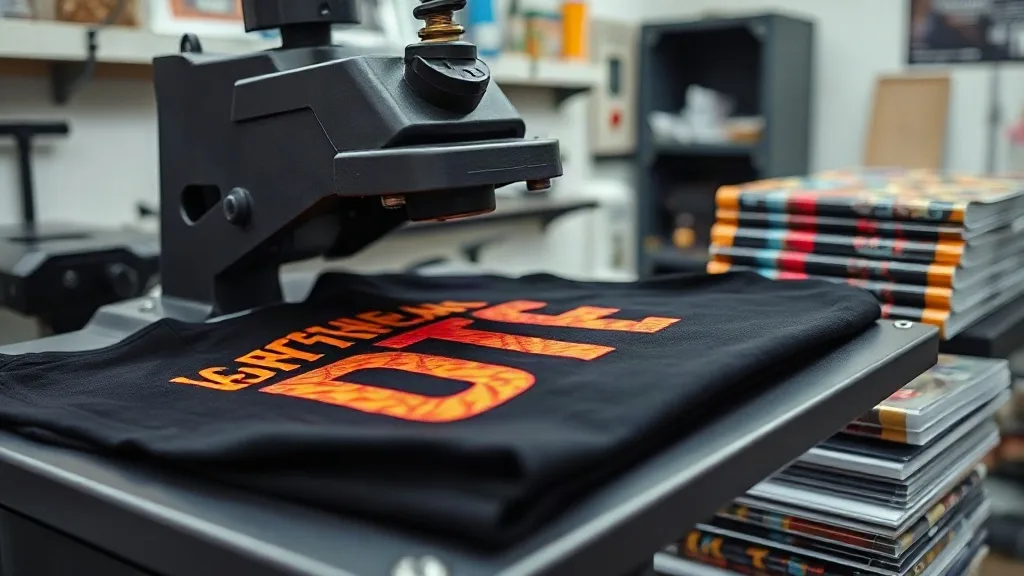
If you've been in the custom apparel game for any length of time, you've likely heard the buzz around dtf transfers. This innovative printing method has taken the industry by storm, offering a versatile and cost-effective way to produce vibrant, durable designs on a wide range of fabrics. Whether you're a small business owner, a hobbyist, or a seasoned professional, understanding DTF transfers can open up new possibilities for your creative projects. In this guide, we'll dive deep into what DTF transfers are, how they work, and why they might be the perfect solution for your next apparel venture.
What Are DTF Transfers?
DTF stands for Direct to Film. It's a printing technology where designs are printed onto a special film, then transferred to fabric using heat and pressure. Unlike DTG (Direct to Garment) printing, which prints directly onto the fabric, DTF involves an intermediate step: the design is first printed onto a PET film, coated with a powder adhesive, and then cured. The result is a flexible, stretchable transfer that can be applied to almost any fabric, including cotton, polyester, blends, and even nylon.
The process is relatively simple: you print your design onto the film using a DTF printer with specialized inks, apply a hot melt powder to the wet ink, shake off the excess, and cure the powder with a heat press or oven. Once cured, the transfer is ready to be stored or applied to a garment. The application itself takes just seconds: place the transfer on the fabric, press with a heat press, and peel off the film. The design adheres permanently, with excellent wash durability and vibrant colors.
Why Choose DTF Transfers?
There are several compelling reasons why dtf transfers have become a favorite among apparel decorators. Let's explore the key benefits.
Versatility Across Fabrics
One of the biggest advantages of DTF transfers is their ability to adhere to a wide range of materials. Whether you're working with 100% cotton t-shirts, polyester athletic wear, or even tough-to-print fabrics like canvas and denim, DTF transfers deliver consistent results. This versatility eliminates the need for multiple printing methods and allows you to offer a broader range of products to your customers.
Vibrant, Detailed Prints
DTF printing uses water-based pigments that produce incredibly bright and detailed images. The color saturation is outstanding, and because the design sits on top of the fabric (rather than being absorbed into it like DTG), the colors pop even on dark garments. Fine lines, gradients, and photographic details are reproduced with high fidelity, making DTF ideal for complex designs.
Cost-Effective for Small Runs
Unlike screen printing, which requires separate screens for each color and becomes cost-prohibitive for small orders, DTF transfers are economical for short runs. There's no minimum order quantity, and you can print one-off designs without setup fees. This makes DTF perfect for small businesses, personalized gifts, and on-demand printing.
Durability and Washability
When applied correctly, DTF transfers are highly durable. They resist cracking, peeling, and fading, even after multiple washes. The key is proper application and following care instructions. We'll cover that in detail later.
How to Apply DTF Transfers
Applying DTF transfers is straightforward, but following the right steps ensures a professional, long-lasting result. Here's a step-by-step guide.
Step 1: Prepare Your Heat Press
Preheat your heat press to the recommended temperature, typically around 300°F to 325°F (150°C to 160°C). The exact temperature may vary depending on the transfer supplier, so always check the instructions. Set the pressure to medium to firm, and pre-press the garment for a few seconds to remove moisture and wrinkles.
Step 2: Position the Transfer
Place the DTF transfer on the garment with the printed side facing up. The film backing should be on top. Position it exactly where you want the design. If you're using a tacky transfer, you can temporarily adhere it with a heat-resistant tape or by lightly pressing.
Step 3: Press
Cover the transfer with a protective sheet (like parchment paper or a Teflon sheet) to prevent the film from sticking to the press. Press for the recommended time, usually 10 to 20 seconds, depending on the transfer type and press. Use firm pressure.
Step 4: Peel
After pressing, remove the garment from the press and peel off the film. There are two types: hot peel (peel immediately while hot) and cold peel (wait until it cools completely). Follow the specific instructions for your transfer. Peel slowly and evenly.
Step 5: Post-Press (Optional)
For added durability, some manufacturers recommend a second press with a protective sheet for a few seconds. This helps the transfer settle into the fabric.
DTF vs. Other Printing Methods
To appreciate DTF fully, it helps to compare it with other common printing techniques.
- DTF vs. DTG: DTG prints directly onto fabric and works best on 100% cotton. It can be expensive for small runs and may not adhere well to polyester. DTF works on almost any fabric, is more cost-effective for short runs, and produces more vibrant colors on dark garments.
- DTF vs. Screen Printing: Screen printing is cost-effective for large orders but requires setup and is impractical for complex designs with many colors. DTF has no setup costs and handles full-color designs easily.
- DTF vs. Vinyl (HTV): Heat transfer vinyl is great for simple designs but limited for multi-color or photographic images. DTF excels at detailed, multi-color designs and doesn't require weeding.
Finding DTF Transfers Near You
If you're looking to get started with DTF, you might be wondering where to find quality transfers. Searching for dtf transfers near me can lead you to local suppliers, but online options often provide greater variety and convenience. When choosing a supplier, consider print quality, film quality, customer reviews, and turnaround time. Many suppliers offer sample packs so you can test before committing.
Tips for Successful DTF Printing
To get the best results with DTF transfers, keep these tips in mind:
- Store transfers in a cool, dry place away from direct sunlight.
- Always pre-press garments to remove moisture.
- Use a heat press, not an iron, for consistent pressure and temperature.
- Test on a scrap fabric before pressing the final garment.
- Follow the care instructions: wait 24 hours before washing, wash inside out in cold water, and avoid fabric softener.
Frequently Asked Questions
How long do DTF transfers last?
With proper application and care, DTF transfers can last as long as the garment itself. They resist cracking and fading for 50+ washes when washed inside out in cold water and tumble dried low.
Can I use DTF transfers on dark shirts?
Absolutely. DTF transfers include a white ink layer that makes colors pop on dark fabrics. This is one of the key advantages over DTG printing, which may require a white underbase that can feel thick.
Do I need a special printer for DTF?
Yes, DTF requires a printer that uses DTF inks and a film feeding system. However, if you don't want to invest in a printer, you can buy pre-printed transfers from suppliers and apply them with a heat press.
What fabrics work best with DTF?
DTF works on almost all fabrics, including cotton, polyester, blends, nylon, canvas, and denim. It's not recommended for fabrics with special coatings or finishes that might prevent adhesion.
How do I store DTF transfers?
Store them in a cool, dry place, away from direct sunlight and heat. Keep them flat to avoid creasing. Properly stored transfers can last for several months.
DTF transfers are revolutionizing the custom apparel industry with their versatility, vibrant results, and cost-effectiveness. Whether you're a business owner looking to expand your offerings or a DIY enthusiast wanting to create professional-quality shirts, DTF is a skill worth mastering. With the right supplies and techniques, you'll be producing stunning, durable apparel in no time.