
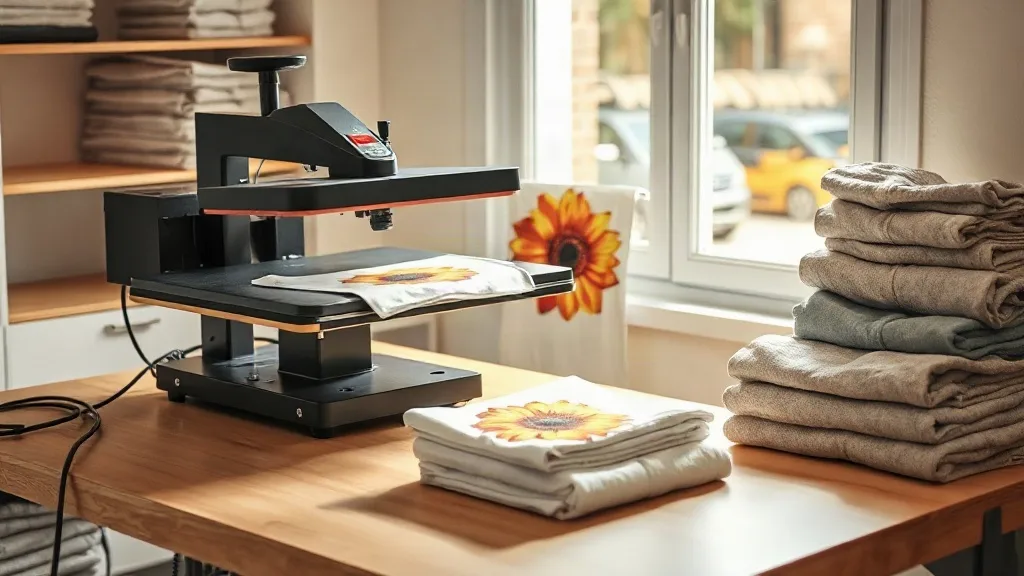
Most small apparel businesses hit the same wall: a customer wants a detailed, multicolor design on a handful of shirts, and the old methods either cost too much or take too long. Screen printing needs a setup per color, vinyl cutting eats hours at the weeder, and heat transfer paper tends to crack after a few washes. That is exactly the gap dtf transfers fill, and it is why so many print shops and side hustles have rebuilt their workflow around them. A DTF sheet holds a full-color image on a thin film, and a heat press moves it onto fabric in under a minute. No screens, no weeding, no pre-treatment spray on cotton.
This guide walks through what the process actually involves, where people usually go wrong, and how to choose a supplier so your finished garments survive real-world wear. If you sell custom apparel or are thinking about starting, the details below will save you money and a lot of ruined blanks.
What DTF Printing Actually Is
DTF stands for direct to film. A printer lays pigment ink onto a special PET film, then a powder adhesive is applied to the wet ink and cured. The result is a transfer sheet you can store flat, ship cheaply, and press onto a garment whenever an order comes in. The adhesive is what bonds the ink to the fabric, which is why the process works on cotton, polyester, blends, and even canvas totes without changing anything.
The key difference from older transfer papers is the film. Standard transfer paper puts ink directly against the garment, so the design sits inside the fabric weave and can feel stiff or crack. With dtf printing, the ink layer stays intact on top of a flexible adhesive, which keeps fine lines and gradients sharp. Small text at 6 point? It holds. Photo-realistic images with hundreds of colors? No extra cost, no extra setup.
Why the Process Suits Small Runs
A 12-shirt order with six colors is a nightmare for screen printing and a non-event for film transfers. You print the sheet once, cut it apart, and press each piece. There is no minimum quantity, no color separation fee, and no wasted ink on a job that only needs a few units. That economics is the main reason print-on-demand sellers and local shops have adopted the method so quickly.
How a DTF Transfer Gets From File to Garment
The workflow has four steps, and each one has a common failure point worth knowing before you buy anything.
- File preparation. Artwork is mirrored and sized to the final print dimensions. A 10-inch wide chest print should be set at 10 inches, not scaled up later. Transparent backgrounds are fine; white ink is printed automatically behind the colors.
- Printing. Pigment inks are laid down in a single pass. White ink goes on first as a base layer, then the colors, then a final white layer in many setups to improve opacity on dark shirts.
- Powdering and curing. Adhesive powder is shaken over the wet print, excess is removed, and the sheet passes through a curing unit. Under-cured powder is the number one cause of washes that peel, so this step matters more than most beginners realize.
- Pressing. The sheet is placed on the garment, pressed at the supplier's recommended temperature and time, then peeled. Hot peel or cold peel depends on the film, so always check the spec sheet.
If you are buying ready-made sheets rather than printing your own, steps one through three are handled for you. You only need a heat press, a clean surface, and a consistent routine.
Pressing Settings That Actually Hold Up
Most peeling complaints come down to temperature, pressure, or timing. A typical starting point for ready-made sheets is 300 to 320 degrees Fahrenheit for 10 to 15 seconds with medium to firm pressure, followed by a second press of 5 to 8 seconds after the film is removed. Treat these as a starting point, not gospel, because film and powder formulations differ between suppliers.
Three habits make a measurable difference in durability:
- Pre-press the garment for 5 seconds. This removes moisture and wrinkles. A damp shirt traps steam under the film and creates bubbles that never flatten out.
- Use a Teflon sheet or protective paper over the film. Direct contact between the press platen and the film can scorch the carrier and leave a shiny mark on the print.
- Let the garment cool flat. Hanging a freshly pressed shirt can stretch the adhesive before it fully sets.
For stretchy polyester, lower the temperature slightly and add a couple of seconds rather than cranking the heat. Polyester scorching is permanent, and a scorch mark on a customer's shirt is a refund you did not budget for.
Where to Source Transfers, and Why Location Still Matters
Plenty of sellers now ship transfer sheets nationwide, and that works fine for planned orders. But when a customer needs forty shirts by Friday, shipping time becomes the whole project. Searching for dtf transfers near me is a practical move for shops that take rush jobs, because a local supplier can often turn around gang sheets the same day and let you inspect quality before committing to a large run.
Whether you buy local or online, ask three questions before placing a first order:
- What film and powder does the supplier use, and what press settings do they recommend?
- Can they send a sample sheet so you can test wash durability on your own blanks?
- How do they handle gang sheets, meaning multiple designs on one sheet to save cost?
A supplier who answers those clearly is usually the one whose sheets will not come back as complaints two weeks later.
Common Mistakes That Cost Shops Money
Film transfers are forgiving, but not foolproof. The mistakes below show up again and again in shops that are new to the method.
Pressing on a shirt that is not flat
A zipper, a seam, or a folded hem under the print area creates uneven pressure. Part of the design bonds, part does not, and the edges lift in the wash. Use a pressing pad and position the design away from seams whenever the layout allows.
Ignoring fabric content
The adhesive bonds well to cotton and polyester, but heavily coated nylon, waterproof shells, and some treated performance fabrics resist it. Test on a scrap before you promise a customer anything. On nylon, a lower temperature and longer dwell often helps, but not always.
Storing sheets carelessly
Film picks up dust and lint, and dust under the adhesive shows up as a white speck in the finished print. Keep sheets flat in a closed bag, away from heat and direct sun. Rolled sheets curl and press unevenly.
Washing instructions nobody reads
Turn the garment inside out, use cold water, skip the fabric softener, and avoid the dryer on high heat. Printed care cards cost pennies and cut returns dramatically. Customers who know how to wash a printed shirt usually do.
Is DTF Right for Your Business?
If your orders are small, your designs are colorful, and your customers expect fast turnaround, film transfers are hard to beat. They also work well as a complement to embroidery or screen printing: use transfers for the detailed one-offs and keep screens for the large repeat runs where per-unit cost drops.
The upfront requirement is modest. A heat press, a stable table, and a supplier you trust cover most of it. From there, the quality of your output depends on consistent settings and careful handling, not on how much equipment you own. Start with a sample pack, press a few of your own blanks, wash them twice, and judge for yourself. That test tells you more than any spec sheet.
Frequently Asked Questions
How many washes do DTF transfers usually survive?
Properly pressed transfers on cotton or polyester commonly last 50 washes or more when washed inside out in cold water and dried on low heat. Results depend heavily on press settings and fabric type, so always test a sample before a full production run.
Can I use DTF transfers on dark shirts?
Yes. The white ink base layer is printed behind the colors, which keeps designs opaque on black, navy, and other dark garments. That is one of the main advantages over dye-sublimation, which only works on light or specially coated polyester.
Do I need a special printer to get started?
No. Many shops buy ready-made transfer sheets and only handle the pressing step. That keeps startup costs low and lets you focus on sales and finishing. You can add your own printer later if volume justifies it.
What is a gang sheet and should I order one?
A gang sheet packs several designs onto a single film sheet to reduce cost per print. It is ideal if you sell multiple designs or need a mix of sizes in one order. Most suppliers charge by sheet length rather than by design, so filling the sheet saves money.
Why is my transfer peeling at the edges?
Edge peeling usually points to uneven pressure, a garment that was not pre-pressed, or a press time that was too short. Check that the platen is level, press the shirt flat first, and confirm the recommended temperature for the specific film you bought.