
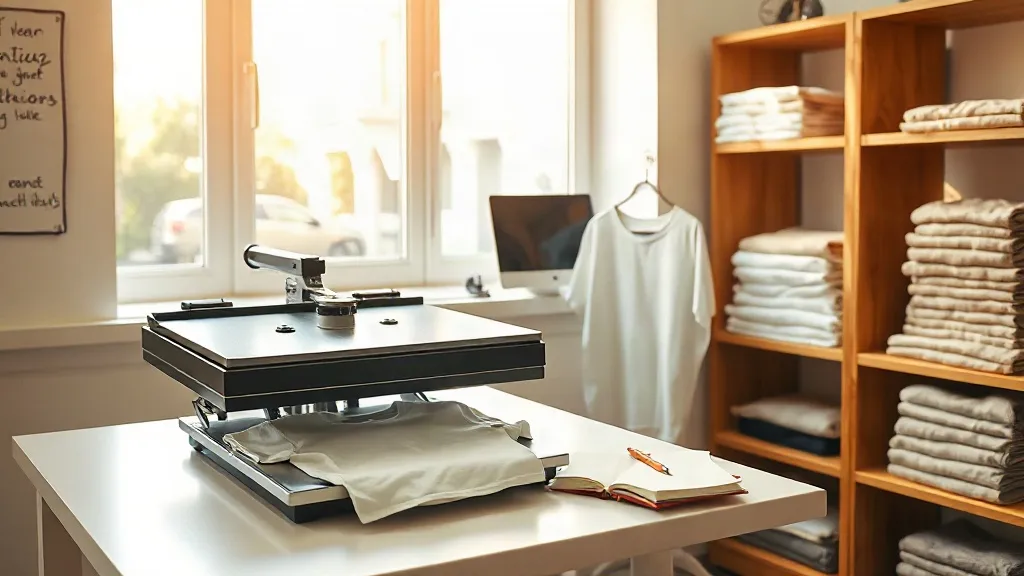
Walk into any print shop that took on small-batch custom work in the last few years and you will probably spot a roll of film near the heat press. That film, and the powder-coated prints coming off it, changed how a lot of shops think about decoration. dtf transfers let a shop print a full-color design, press it onto a garment, and hand over a finished piece in minutes, with no screens, no setup fees, and no minimum order. For anyone buying blank apparel in bulk, that is a meaningful shift in how inventory and orders get planned.
This guide is aimed at the people who actually stock the shelves: blank apparel buyers, small brands, resellers, and shop owners who need to know what a transfer will do on a given blank before they commit to a pallet of it. We will cover how dtf printing works, which fabrics it handles well, what press settings to start with, how the prints hold up in the wash, and how to work the numbers so a job stays profitable.
What DTF Actually Is, in Plain Terms
Direct-to-film printing starts with a digital printer that lays down color onto a special PET film, usually with white ink included in the same pass. While the ink is still wet, a hot-melt adhesive powder is applied to the printed side, then the film is cured. The result is a flexible, transferable layer that can be stored flat or on a roll until you need it.
At press time, the film goes face down on the garment, heat and pressure bond the adhesive to the fabric, and after a short cool the carrier film peels away. What stays behind is a soft, stretchy print that sits on top of the fabric rather than soaking into it.
The practical difference from screen printing or vinyl is flexibility. A single sheet of film can hold a photographic image, a gradient, twenty spot colors, and fine text all at once, at the same cost. There is no per-color charge, and a one-off order costs roughly the same per unit as the hundredth piece.
How DTF Performs on the Blanks You Actually Stock
Fabric compatibility is where most decoration methods get fussy, and it is where DTF earns its reputation. Because the print bonds to the surface through an adhesive layer rather than fusing into the fiber, it works on a very wide range of materials.
Cotton and Cotton Blends
Standard ring-spun cotton tees, heavyweight cotton, and cotton-poly blends are the easy case. The print bonds cleanly, stretches with the fabric, and holds color well. On darker blanks, the white ink layer under the color is what makes the design pop, so check that the transfer you order includes a sufficient white base for the garment color you are printing on.
Polyester and Performance Wear
This is the category that often pushes shops toward dtf in the first place. Sublimation only works on light polyester, and vinyl on performance fabric tends to feel stiff and can fail at the seams. DTF handles polyester, poly-spandex, and most moisture-wicking knits without the dye migration headaches that plague plastisol on some poly goods. Press temperature still matters, since polyester can scorch or glaze under too much heat, so run a test piece before committing to a run.
Canvas, Denim, and Heavier Goods
Tote bags, canvas aprons, denim jackets, and workwear all take DTF well, provided the surface is flat enough for even pressure. Textured canvas and heavy twill can leave a slightly raised look, which is usually acceptable for the product. Very coarse weaves may show a little texture through the print, so a slightly thicker white layer helps on those substrates.
Where DTF Struggles
Nylon, some coated water-repellent shells, and heavily brushed fleece can be tricky. The adhesive needs a clean surface to grab, and a fuzzy face can leave the print sitting on top of loose fibers that later shed. If you plan to decorate fleece in volume, test a sample from the exact lot you are buying, since brushing varies between suppliers and dye lots.
Press Settings That Give You a Reliable Starting Point
Every film supplier publishes a recommended range, and those numbers should always win. That said, a reasonable starting point for most cotton and poly knits looks like this:
- Temperature: around 300 to 320 degrees Fahrenheit, adjusted down for heat-sensitive polyester
- Pressure: medium to firm, enough that you can see the fabric weave through the film after pressing
- Press time: 10 to 15 seconds for the transfer, plus a short second press of 5 seconds after peeling for a matte finish
- Peel: warm peel for most films, cool peel for some; follow the film maker's instruction
Two habits save a lot of wasted blanks. First, pre-press the garment for a few seconds to steam out moisture, because trapped dampness is a common cause of poor adhesion. Second, keep a small notebook or a note on your phone with the settings that worked for each blank style you stock. After a few months you will have a reference that is worth more than any generic chart.
Durability: What to Tell Your Customers
A well-applied DTF print on a compatible fabric will typically survive dozens of wash cycles without cracking or peeling. The failure modes are predictable and mostly preventable.
Washing inside out in cold water and tumble drying low, or hanging to dry, will extend print life considerably. Avoid ironing directly on the print, and skip fabric softener on the first few washes since it can leave a residue on the adhesive layer. If a customer reports peeling after the first wash, the cause is usually insufficient pressure, a cold press, or moisture in the garment at press time rather than the film itself.
For retail brands, it helps to print a small care card and include it with every order. It costs pennies and cuts down on returns.
Cost Per Print and How to Price It
DTF pricing is refreshingly simple to model. You pay for the film by the sheet or by the meter, plus the labor of pressing. There are no screens to burn, no color separations, and no minimum quantity that forces you to overproduce.
For a shop, the math usually works out to a few dollars per print in materials, with the rest of the cost in labor and the blank itself. That makes small runs viable and lets you offer one-off personalization without losing money. For a brand buying blanks in bulk, the calculation is different: your savings come from consolidating blank orders across many designs, since a single size run of blanks can carry a whole seasonal lineup of transfers.
When you quote a job, build in a small allowance for test presses and misprints. Even experienced pressers lose a piece now and then, and pricing that assumes zero waste is pricing that quietly loses money.
Sourcing Blanks and Transfers Together
The most common operational mistake is treating blanks and transfers as separate purchases with separate timelines. In practice they need to arrive together, in the right sizes, before a launch.
Start with the blank. Confirm the fabric content, the weight, and the color, then order a small sample and press a test transfer on it. Only after that test should you commit to a bulk order of blanks or a large run of film. This sequence protects you from the worst outcome: a thousand blanks in a color that behaves badly with the print you already paid for.
Keep a small library of pressed samples on the blanks you regularly stock. When a customer asks how a print will look on a heather grey tee versus a navy one, you can hand them a physical example instead of describing it. That single habit builds more trust than any spec sheet.
Frequently Asked Questions
Can DTF transfers be applied to 100 percent polyester without dye migration?
In most cases yes, and that is one of the main reasons shops choose DTF for performance wear. Dye migration is more of a concern with plastisol on polyester. Still, pressing temperature matters, so keep the press at the lower end of the recommended range and test a sample from your specific blank lot before a full run.
How long can I store unused DTF film before it goes bad?
Stored flat, dry, and away from direct heat and sunlight, film generally keeps for several months to about a year depending on the manufacturer. Humidity is the main enemy, since moisture affects the adhesive powder. Keep film in a sealed bag with a desiccant pack if your shop runs humid.
Do I need a special press for DTF, or will a standard heat press work?
A standard clamshell or swing-away heat press with adjustable pressure and temperature is enough. What matters more is even pressure across the platen and a reliable temperature reading. If your press runs hot or cold spots, calibrate it with a surface thermometer before blaming the film.
Is DTF more expensive than screen printing for large orders?
For very large runs of a single design in one or two colors, screen printing usually wins on unit cost. DTF tends to be more economical for small and mid-size runs, multi-color artwork, and orders where designs change frequently, because there is no setup cost per color.
What is the most common reason a DTF print peels after washing?
Insufficient pressure or pressing a garment that still holds moisture are the two most frequent causes. A cold platen, a press time that is too short, or peeling the film at the wrong temperature can also contribute. Recheck your settings and pre-press the garment before concluding the film is at fault.